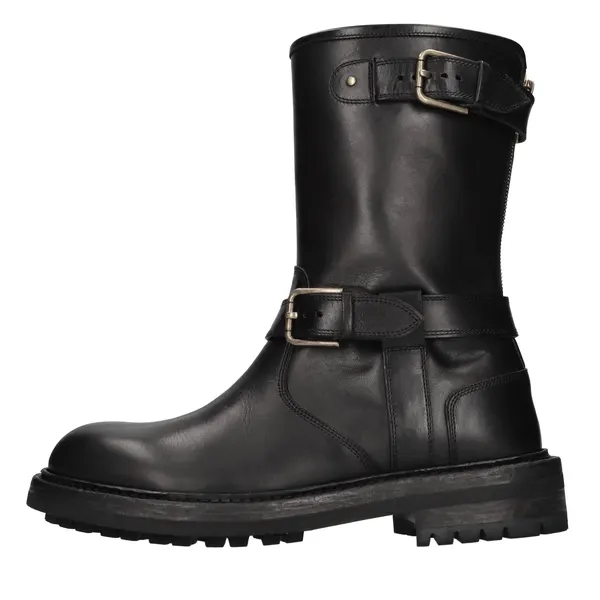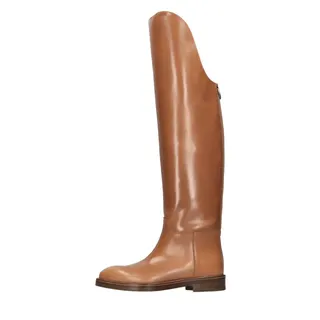



The best designer boots of 2026 are not all aiming at the same job. Some are quiet, expensive staples you wear three winters in a row without thinking twice. Others are the pair people notice first, built around colour, finish and personality rather than understatement. In this edit, that split matters. We’re comparing luxury department-store options from Bloomingdales Australia and Bloomingdales UK with more affordable statement pairs from Claudio Lugli Shirts, including the Hand-Painted Suede & Leather Boots - Blue, the Hand-Painted Suede & Leather Boots - Brown and the Hand-Painted Burgundy Leather Boots.
Material is the first thing to check, because it changes how a boot wears and how much care it needs. Smooth leather is usually the easiest long-term option: it dresses up well, wipes clean more easily and tends to look better with age if you condition it. Suede has more visual depth and feels softer straight away, but it is less forgiving in wet weather and will need a protector spray if you want it to stay sharp. That matters for the two Claudio Lugli suede-and-leather pairs here. They stand out because of the hand-painted finish and mixed textures, but they are not the sort of boots you throw on for slushy commutes or heavy rain. If you want one pair to wear hard with minimal maintenance, a plain full-leather boot from a heritage luxury label may still make more sense.
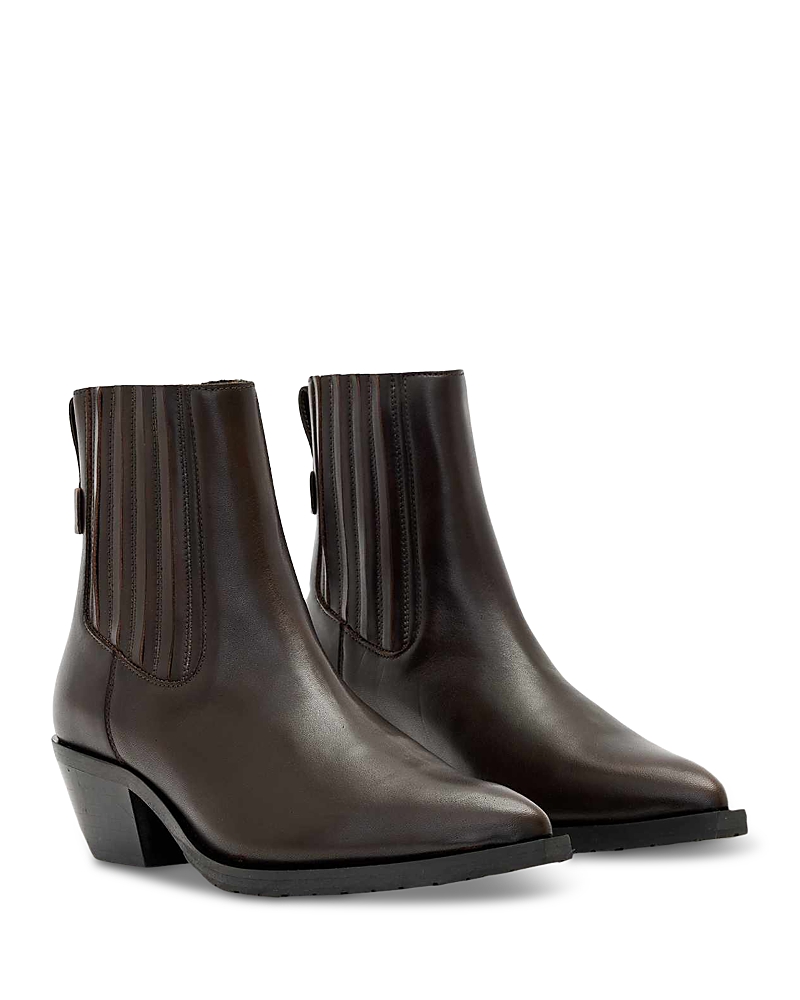
Shape is the next filter. Ankle boots remain the easiest designer category to justify because they work with selvedge denim, cropped trousers, wool tailoring and heavier knitwear without much effort. Most shoppers will get more use from an ankle height than from a higher shaft or aggressively pointed fashion boot. The more fashion-led the finish, though, the more important the rest of the outfit becomes. A hand-painted upper, contrast panelling or rich burgundy leather can look excellent with dark denim, navy tailoring or simple black layers, but it is less neutral than a plain black Chelsea or cap-toe boot. Put simply: if your wardrobe is already full of basics, a statement boot earns its place quickly. If your clothes are already loud, these may compete rather than complement.
Price is where the category splits wide open. At the top end, labels like Fendi, Chloé and Tod’s generally sit in the luxury bracket, often running into the high hundreds or well beyond that depending on leather, hardware and seasonal detailing. You are paying for house design, premium leather selection, brand recognition and, in many cases, more refined finishing. That does not automatically mean they are better buys for everyone. A lot depends on how often you wear boots, how hard you are on your shoes and whether you want something discreet or expressive. Claudio Lugli’s hand-painted pairs are typically positioned as a more accessible alternative to four-figure designer footwear. They still read as distinctive and dressy, but they target the shopper who wants personality without moving into true luxury pricing.
The Hand-Painted Suede & Leather Boots - Blue are the boldest of the three named styles. Blue boots are not neutral, and that is exactly the appeal. The combination of suede and leather creates tonal variation before you even get to the painted finish, so they have more depth than a flat dyed upper. These suit someone who already owns the usual black and brown boots and wants a conversation piece for dinners, events or smart-casual weekends. They are easier to wear than they sound with dark indigo jeans, charcoal trousers and navy outerwear. Still, they are not universal. If you need one boot for office commuting, wet sidewalks and daily wear, blue suede is a demanding choice. You will need to care for the nap, avoid heavy downpours and accept that they are more memorable than versatile.
The Hand-Painted Suede & Leather Boots - Brown are the safer buy for most people. Brown is naturally easier to style, especially through autumn and winter, and it works across denim, olive, cream, grey and navy without much planning. The mixed suede-and-leather construction still gives the pair a dressed-up, artisanal feel, but the colour keeps it grounded. If you like the idea of Claudio Lugli’s artistic finish but worry the blue version will sit in the wardrobe too often, this is the more practical compromise. It should suit buyers who want a statement boot that can still function in a real wardrobe. The trade-off is that suede sections will show wear sooner than plain polished calfskin, particularly around the toe and heel if you are careless. They are handsome boots, but not low-maintenance ones.
The Hand-Painted Burgundy Leather Boots sit in the middle stylistically. Burgundy has character, but unlike bright blue, it still behaves almost like a neutral in many outfits. With dark denim, black wool trousers or deep green tailoring, burgundy leather can look rich rather than flashy. Because this pair is leather rather than a suede-and-leather mix, it is also likely to be the easiest of the three to maintain. A decent cream polish and occasional conditioning should go a long way. For buyers who want colour without the upkeep of suede, this is the most balanced option. The catch is that burgundy footwear is still less straightforward than dark brown or black if you dress very conservatively. In a formal office, especially one with traditional dress expectations, it may feel a touch too individual.
Fit, sizing and aftercare are worth checking before you buy any of these. Designer and boutique boots often come in standard men’s or women’s whole sizes, and some run narrow through the toe because the shape is part of the look. If a retailer provides a size guide, use it. If not, it is safer to confirm fit advice and returns policy before ordering, especially with hand-finished footwear where you may not want to scuff the sole during a trial wear indoors. Return windows, shipping costs and exchange options vary a lot by retailer and region, and department stores typically differ from smaller specialist shops. The same goes for payment flexibility: some large stores offer instalment services at checkout, while smaller brands may keep things simpler. That is not a deciding factor on quality, but it can matter if you are comparing a luxury pair with a more accessible alternative.
Across these 10 picks, the core choice is still between investment minimalism and expressive styling. Luxury houses justify higher prices with premium materials, recognised branding and often excellent finishing, but they are not the only route to a satisfying boot. Claudio Lugli’s hand-painted options make a strong case if you want individuality, rich colour and a more attainable spend. The blue pair is best for confident dressers who already own basics. The brown pair is the smartest all-rounder if you like texture and personality but still want flexibility. The burgundy leather pair is the easiest to maintain and probably the simplest entry point if you want something distinctive without stepping too far outside classic menswear or dressy smart-casual styling. The best designer boot here is less about status than use: buy for your real wardrobe, your weather and your tolerance for upkeep, not just the product photo.